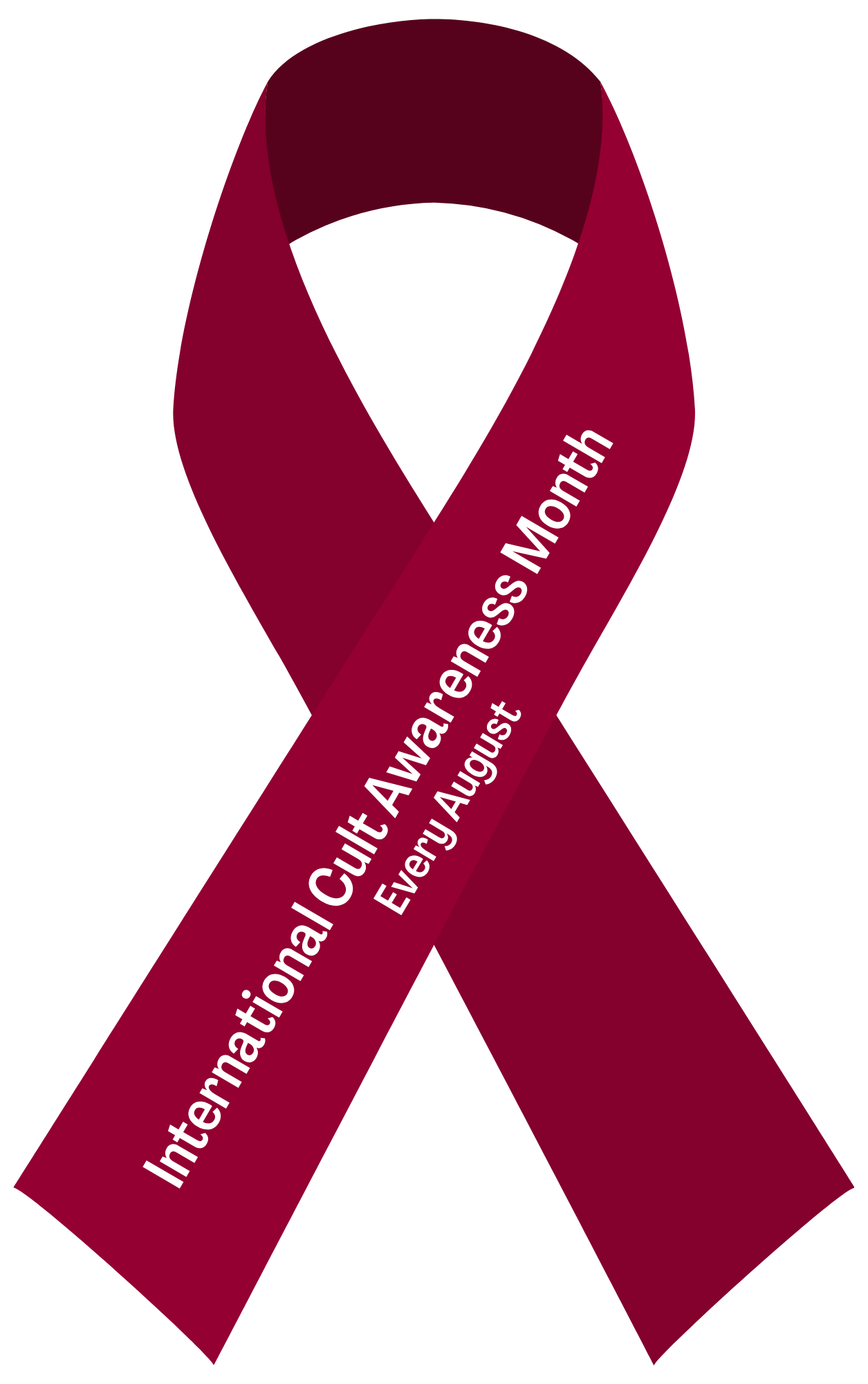
Week 5 of International Cult Awareness Month: Healing, Advocacy, and Building Resilience

As we enter the final week of International Cult Awareness Month (ICAM), we focus on the aspect of the journey out of cultic environments—healing, advocacy, and building resilience. Last week, we discussed activism. This week is dedicated to empowering survivors, their families, and allies with the tools, resources, and opportunities needed to foster recovery, promote justice, and prevent future cult exploitation. Whether you are a survivor, a loved one, or a supporter, you have a role in this process. Here’s how you can get involved and make a difference.

1. Healing Modalities and Opportunities for Recovery

Healing from cultic abuse is a deeply personal journey that varies for each individual. Survivors often face a range of challenges, including trauma, loss of identity, and difficulty in rebuilding their lives. However, several effective therapeutic modalities can support this healing journey:

  • Trauma-informed therapy: Approaches such as Eye Movement Desensitization and Reprocessing (EMDR), Cognitive Behavioral Therapy (CBT), and Dialectical Behavior Therapy (DBT) have been proven effective in helping survivors process trauma and develop healthier thought patterns. Trauma-informed care prioritizes safety, empowerment, and choice, acknowledging the profound impact cultic experiences can have on survivors’ mental health.
  • Somatic Healing Practices: Techniques like yoga, meditation, and breathwork help survivors reconnect with their bodies and regain control over their physical and emotional responses. Somatic therapies can be beneficial for those who have experienced trauma that is stored in the body.
  • Peer Support Groups: Connecting with others who have had similar experiences can be incredibly validating and empowering. Peer support groups provide a safe space to share stories, learn from others, and build community. Whether in-person or virtual, these groups offer a platform for shared healing.
  • Creative Arts Therapies: Art therapy, music therapy, and writing therapy provide non-verbal outlets for expressing complex emotions and processing trauma. These therapies encourage creativity and self-expression, which can be remarkably liberating for survivors who have been silenced or controlled.
  • Self-Care and Self-Compassion Practices: Self-care goes beyond pampering; it involves setting boundaries, practicing mindfulness, and cultivating self-compassion. Developing a routine that includes adequate rest, nutrition, physical activity, and emotional nurturing can support overall well-being.

2. Advocacy: From Survivor to Changemaker

Survivors of cultic abuse possess unique insights that can drive meaningful change. Advocacy is a powerful way to transform personal experiences into systemic change:

  • Share Your Story: Whether through writing, speaking engagements, or social media, sharing your story can raise awareness and inspire others. Personal stories have the power to move hearts and minds, drawing attention to the realities of cultic abuse and the need for reform.
  • Join Advocacy Groups: Numerous organizations are dedicated to supporting cult survivors and advocating for policy changes. Joining these groups can amplify your voice and connect you with like-minded individuals working toward common goals.
  • Participate in Legislation: Advocacy also involves engaging lawmakers to push for policies protecting individuals from coercive control and cultic exploitation. You can support legislation that enforces stricter regulations on high-control groups, provides resources for survivors, or criminalizes coercive control. Writing letters, signing petitions, and attending hearings are all impactful ways to participate.
  • Educate and Raise Awareness: Advocacy doesn’t always require grand gestures. Everyday actions, like educating friends and family about the warning signs of cultic behavior, sharing resources on social media, or organizing community awareness events, can contribute to a broader cultural shift toward understanding and prevention.

3. Building Resilience: Strength in Community

Resilience is not just an individual trait; it is cultivated through supportive relationships and strong communities. Building resilience involves creating environments where survivors feel safe, supported, and empowered to rebuild their lives:

  • Creating a Soft Landing for Survivors: Leaving a cult often means losing one’s social network. Communities can play a pivotal role by offering a “soft landing”—a safe, non-judgmental space for survivors to process their experiences and begin anew. This could be as simple as offering a listening ear, connecting them with local resources, or helping them find housing or employment.
  • Establishing Networks of Support: Churches, community centers, and other local organizations can establish support networks for survivors, including peer-led support groups, skill-building workshops, and social events. Building these networks fosters a sense of belonging and reduces the isolation that many survivors feel after leaving a cult.
  • Promoting Education and Prevention: Educational programs that teach critical thinking, healthy relationship dynamics, and the signs of coercive control can empower individuals to resist cult recruitment tactics. Schools, workplaces, and community organizations can all play a role in promoting these preventive measures.

4. How You Can Make a Difference

You don’t have to be a survivor or an expert to contribute to this cause. Here are some ways you can get involved and support survivors:

  • Volunteer: Offer your time to organizations that work with cult survivors, such as The Freedom Train Project Incorporated. You could help with outreach, fundraising, event planning, or direct support to survivors.
  • Donate: Financial contributions can make a significant impact. Many organizations rely on donations to provide free or low-cost services to survivors, including therapy, legal aid, and housing.
  • Be an Ally: Being an ally means listening without judgment, believing survivors, and standing up against misinformation or victim-blaming attitudes. It also means amplifying survivor voices and advocating for their needs.
  • Participate in ICAM Activities: Join ICAM webinars, panels, and discussions. Engage with our social media campaigns and share our posts to spread awareness.

5. Moving Forward Together

As we close out this year’s International Cult Awareness Month, we invite you to continue the momentum. The work doesn’t end here—awareness, education, advocacy, and support for survivors must be ongoing efforts. Together, we can build a future where individuals are empowered to make informed choices, where coercive control is recognized and eradicated, and survivors find the healing and support they need to thrive.

Let’s move forward together—stronger, more informed, and more resilient than ever.

For more resources, events, and ways to get involved, visit our website or contact us directly.

Hashtags:  #ICAM2024 #GetInvolved #TakeAction #VolunteerNow #JoinTheFight #SupportAdvocacy #CommunityAction #EndCultAbuse #ProtectTheVulnerable #RaiseAwareness #MakeADifference #HelpSurvivors #AdvocateForChange #BeTheChange #CommunitySupport #VolunteerOpportunities #ActiveParticipation #SupportICAM #SpreadAwareness #CollectiveEffort

Author