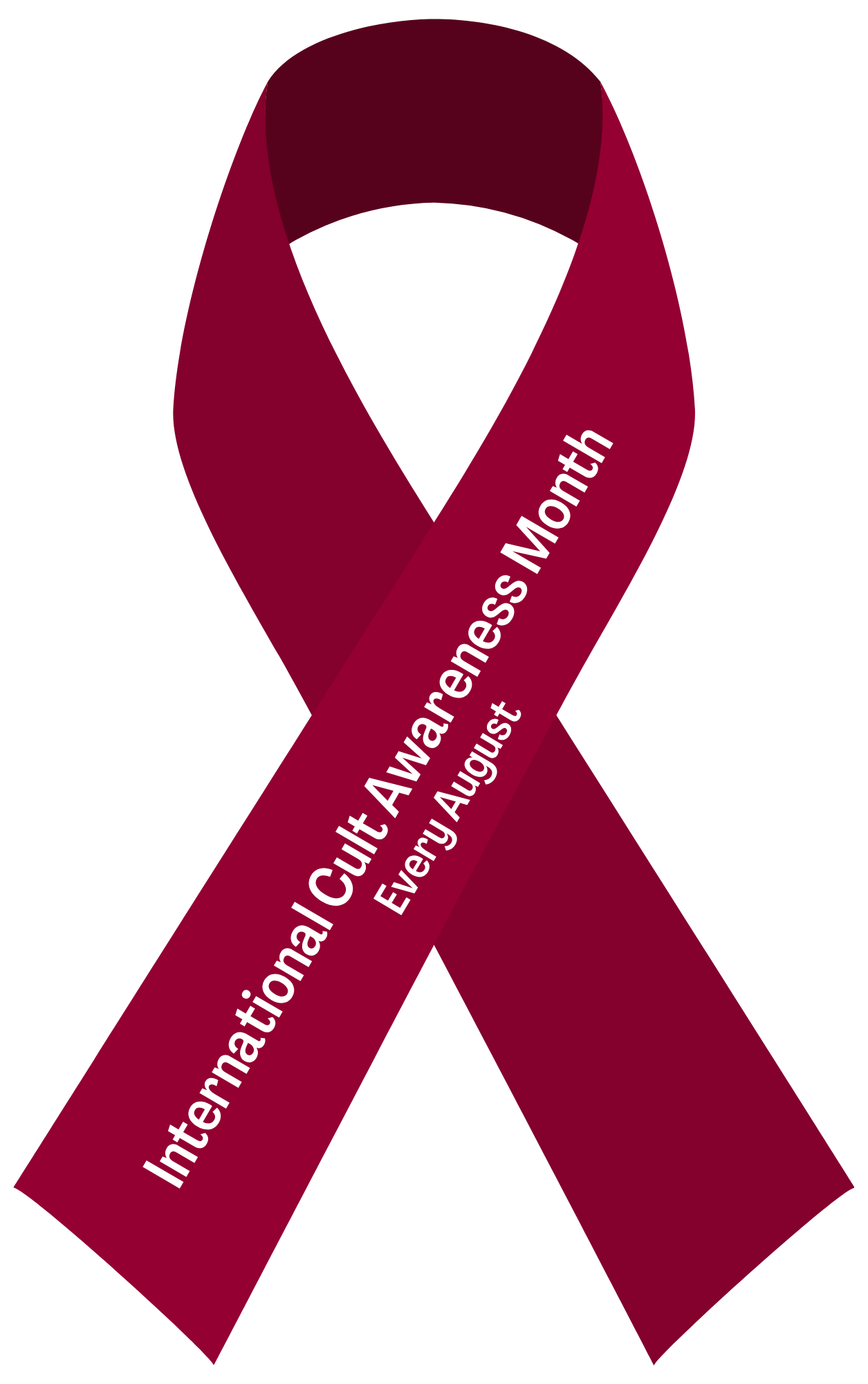
The Freedom Train Project founds ICAM
The Freedom Train Project Incorporated — a nonprofit providing education and victim services for survivors of cults and coercive control — establishes International Cult Awareness Month. The inaugural campaign focuses on the basics: what cults are, how they operate, and how to support survivors.
The Big Why
ICAM’s second year makes the case for why the campaign exists at all, reframing cult involvement as a story of coercion rather than gullibility — a theme that carries through every campaign since.
Policy and Cults
The campaign’s third year takes on public policy directly, with a four-week structure covering the fundamentals of coercive control, policy and lawmaking, legal precedent, and community advocacy. The month includes a live web panel on public policy led by Dr. Tabitha Chapman, and a cross-cultural webinar bringing together survivors from different community backgrounds to challenge the myth that cult involvement only happens to certain kinds of people.
Freedom and Liberty
The campaign’s fourth year asks a more fundamental question: what basic rights does cult involvement actually take away? “Freedom and Liberty: How Cults Dismantle These Basic Rights” traces coercive control back to the freedoms it erodes first — autonomy, association, and self-determination — building the throughline that the 2026 campaign expands into four dedicated weekly themes.
Beyond the Surface
This year’s campaign is rebuilt around the Cult Abuse Myth Acceptance Scale (CAMAS), a 17-item research instrument developed through Dr. Chapman’s dissertation research measuring how the public misjudges cult survivors. Four weekly themes — psychological manipulation, isolation and control, financial exploitation, and family separation — walk through how coercive control actually builds over time, closing with a capstone week on what stays true year-round.
Part of a larger landscape
ICAM isn’t the only cult-awareness observance. November 18 is marked as International Cult Awareness Day, commemorating the 1978 Jonestown massacre and honoring victims of cultic abuse more broadly. ICAM adds an August-long campaign of education, weekly deep-dives, and year-round resources on top of Remembrance Day and other awareness efforts. We fully support all of these efforts — the more ways people encounter this work, the better.
